
Spring Mold Bloom in Magnolia Springs HVAC Systems: Detection and Cleanup
How to detect and address spring mold in Magnolia Springs, AL HVAC systems — symptoms, DIY checks, and when professional remediation is needed.

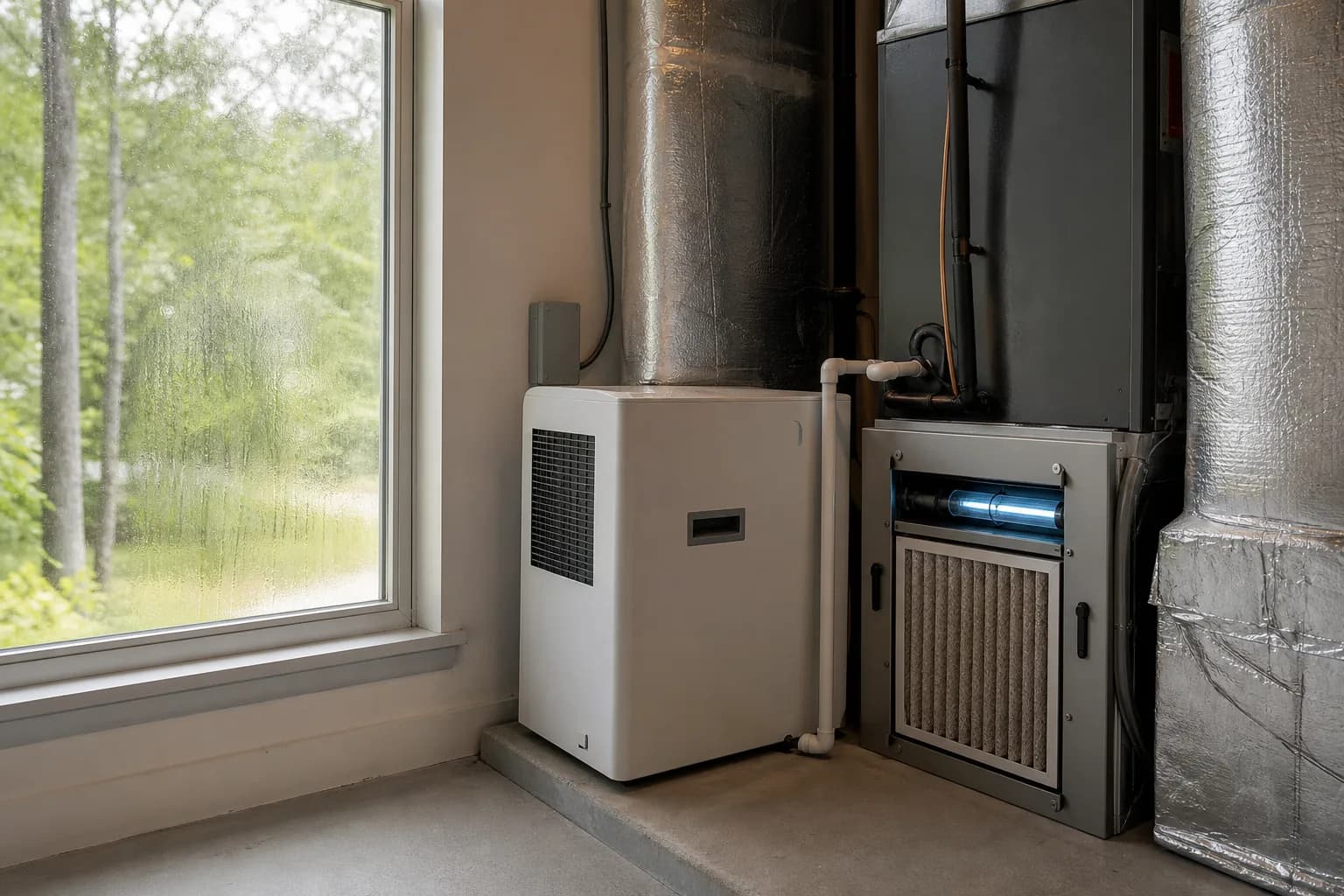
Magnolia Springs sits along the Magnolia River with year-round high humidity and waterfront homes that face additional moisture loads. Spring is when the year's worst HVAC mold problems show up — winter dormancy plus rising temperatures plus persistent humidity equals colonization conditions inside your air handler.
Here's how to spot it and what to do.
Where mold grows in Magnolia Springs HVAC systems
Three primary sites:
1. Indoor evaporator coil and drain pan. The cold, wet, dark coil environment is ideal for mold. After winter dormancy when the coil dried slowly, mold spores that were dormant on the surface bloom when temperatures rise.
2. Inside ductwork — particularly insulated flex duct. If duct insulation has absorbed moisture from leaks, mold colonizes the fiberglass. Hard to see, hard to clean, often requires duct replacement.
3. Around the air handler in the closet or attic. If condensate has been spilling around the air handler, mold grows on adjacent drywall, insulation, and floor surfaces. Sometimes far from the actual HVAC system.
How to detect it
Five signals to watch for:
1. Musty, mildewy smell from vents. This is the most common symptom and usually traces directly to coil or pan biology.
2. Visible black or green growth on indoor coil. Open the access panel (carefully) on your indoor air handler. Some discoloration is normal; visible fuzzy growth is not.
3. Standing water in drain pan. If you can see liquid sitting in the pan, biology is growing in it.
4. Allergy or asthma symptoms that worsen at home. Especially when symptoms improve when you're away. The HVAC is circulating something problematic.
5. Brown/yellow staining on registers or around vents. Mold spores being aerosolized and deposited.
DIY first-pass
Before calling for professional remediation:
1. Replace air filter with MERV 11 or higher. Better filtration captures more spores from circulating air.
2. Pour 1 cup of distilled white vinegar through indoor cleanout. Kills biology in pan and immediate downstream pipe.
3. Run system continuously for 4-6 hours. Sometimes blows out enough material that subsequent cycles run cleaner.
4. Clean visible mold on accessible surfaces. Diluted bleach (1:10 with water) on a microfiber cloth. NOT inside the coil — surface only.
5. Address humidity source. If indoor humidity is consistently 60%+, mold will keep coming back. Add dehumidification.
If symptoms persist after these steps, professional service is warranted.
When to call professional
Strong signals that DIY isn't enough:
- Visible fuzzy growth deep in coil fins
- Mold on duct insulation (you can see fiberglass or duct interior)
- Symptoms in family members that don't improve with filter upgrades
- Standing water that returns after every cleaning attempt
- Black/dark mold (some species are health hazards beyond simple irritation)
- Recent water damage (storm, plumbing leak, condensate overflow)
Professional remediation in Magnolia Springs is scoped to what's actually growing and where. Common line items, smallest job to largest:
- Coil cleaning + sanitization — the most common first step, and the least involved
- Drain pan replacement — when the pan itself has become a reservoir
- UV sterilizer install — an add-on that helps prevent recurrence on the coil
- Whole-house dehumidifier — addresses the root cause when humidity is the real driver
- Duct replacement — the largest scope, only when insulation is contaminated and can't be cleaned
We quote each of these for your specific system after we see it — ask for a free assessment and estimate.
Why is Magnolia Springs a high-risk area for HVAC mold?
Three reasons mold issues hit waterfront and near-water homes harder:
1. Persistent ambient humidity. Properties along the Magnolia River corridor and near Weeks Bay see 5-10% higher relative humidity than inland Baldwin County. Indoor systems work harder; coils stay wetter. The same Gulf Coast moisture that keeps the live oaks lush keeps your evaporator coil from drying out between cycles.
2. Older construction. Many homes in the Magnolia Springs Historic District and along the older river lots are historic or older, with ductwork and air handlers in poorly-conditioned closets and crawlspaces. Crawlspace and attic moisture loads compound HVAC humidity loads.
3. Seasonal occupancy. Some river-adjacent properties are weekend or vacation homes that sit at higher temperatures during owner absence. Higher temp + persistent humidity = ideal mold growth conditions.
Prevention strategy
Three habits that prevent recurring spring mold:
1. Keep indoor humidity below 55%. Buy a hygrometer and verify. If your AC alone can't achieve this, add dehumidification.
2. Schedule fall AND spring tune-ups. Cool Club includes both. Fall service cleans before dormancy; spring catches anything that grew.
3. Run AC briefly during winter shutdown. Even one 30-minute cycle weekly during off-season keeps coils dry enough to discourage mold.
Health considerations
Most HVAC mold causes irritation rather than serious health issues. But for households with:
- Asthma
- Compromised immune systems
- Young children or elderly family members
- Existing allergy diagnoses
professional remediation isn't optional. An undiagnosed mold exposure that drags on for years carries real health and lifestyle costs that dwarf the cost of addressing the HVAC source now.
If anyone in your Magnolia Springs household is in those categories AND symptoms are persistent, schedule a professional IAQ assessment regardless of whether you've spotted visible mold.
Ready to address Magnolia Springs HVAC mold?
Air Solutions Heating & Cooling handles IAQ assessments, coil cleaning, dehumidifier installation, and UV sterilization across Magnolia Springs and near-coast Baldwin County. Family-run, founded in Daphne, licensed AL#23194.
- Schedule IAQ Assessment — pick a time
- Call (251) 300-9817 — same-day
- Indoor Air Quality services — full overview
Related resources
- IAQ in Magnolia Springs — city-specific service page
- All HVAC services in Magnolia Springs — every service locally
- Cool Club Membership — bi-annual service + benefits