Congratulations on the new home. Now let’s talk about the most expensive mechanical system inside it — the one that runs 2,000+ hours a year in Baldwin County, accounts for 40-60% of your electric bill, and will eventually cost $8,000-$12,000 to replace. Your HVAC system probably wasn’t the most exciting part of the home inspection, but it’s the one that will demand the most attention and money over the years you own the property.
This guide covers what every first-time Baldwin County homeowner needs to know: what to do in the first week, how to maintain the system, what warning signs to watch for, how much things cost when they break, and when to call a professional versus when to handle it yourself.
Week One: Know What You Own
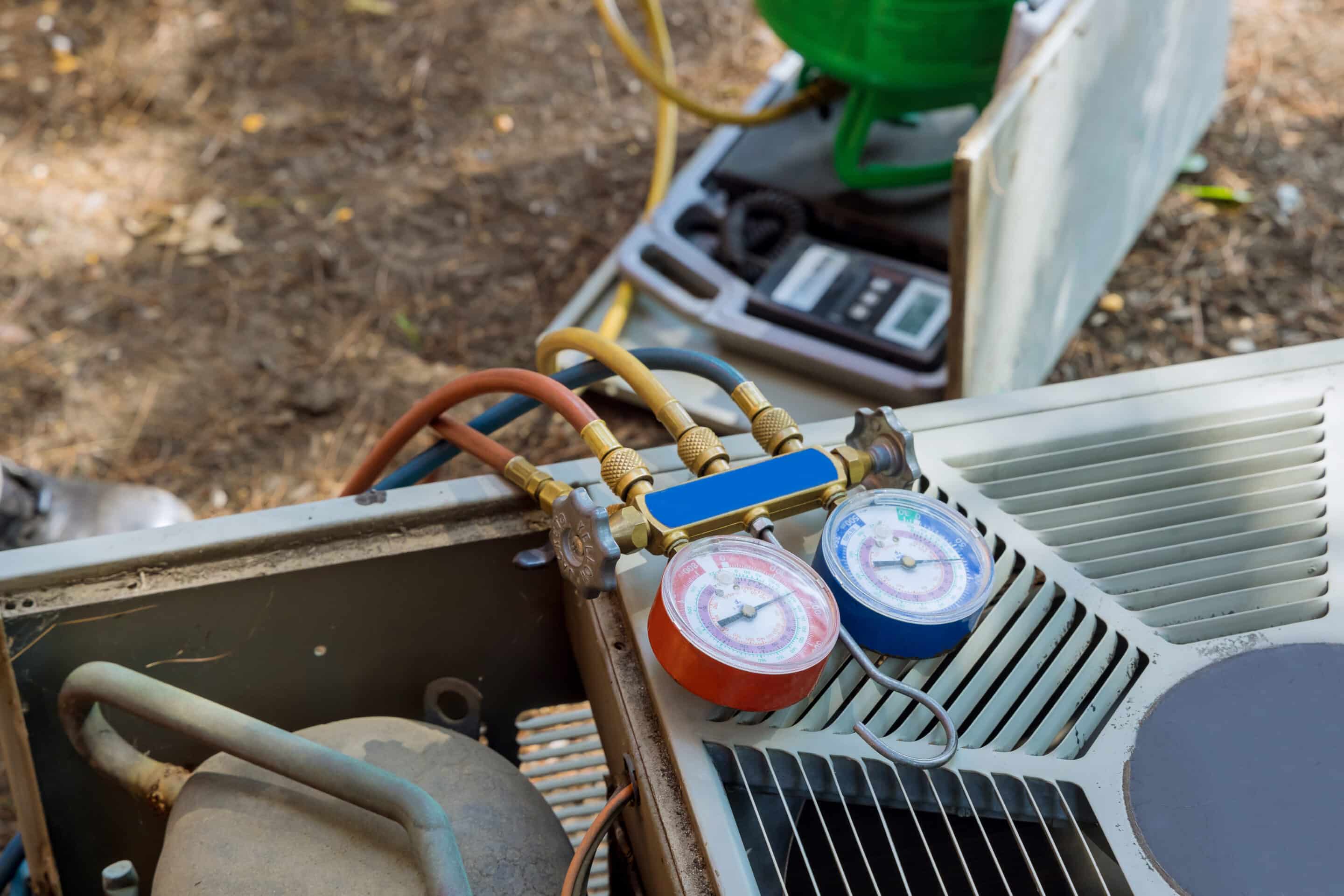
Find the outdoor unit and write down the brand name, model number, and serial number printed on the data plate (usually a metal label on the side of the housing). Do the same for the indoor air handler — typically in the attic, a closet, or the garage. These numbers identify your exact equipment and are essential for warranty claims, parts ordering, and service records. Take a photo of each data plate and store it in your phone.
Locate the air filter and check its condition. If it looks dirty — and after a construction or move-in process, it almost certainly is — replace it immediately. Note the filter size printed on the frame so you can buy replacements. Our filter guide covers what size and MERV rating to choose.
Find the condensate drain line — a PVC pipe near the indoor air handler that drains water removed from the air during cooling. Know where it exits the house (usually on an exterior wall near the foundation). If it’s clogged, the system shuts down or water backs up into the drain pan and potentially into your ceiling. Pouring a cup of bleach or vinegar down the drain access monthly prevents this — it’s one of the simplest and most important maintenance tasks.
Find the breaker for the HVAC system in your electrical panel. Most systems use two breakers — one for the indoor unit and one for the outdoor unit. Label them if they aren’t already. You’ll need to know where they are if the system needs a reset after a power surge or if a technician asks you to cycle the breaker during a phone diagnosis.Check the thermostat. Learn how to switch between heating and cooling, how to adjust the fan setting (keep it on “Auto” in Baldwin County — our thermostat guide explains why), and how to program schedules if it’s a programmable or smart model.
The Maintenance Schedule You Need to Follow
Two professional maintenance visits per year — spring before cooling season, fall before heating season. This is the standard for Baldwin County and it’s not optional if you want the system to last its full expected life and if you want your manufacturer’s warranty to remain valid. Our maintenance guide covers exactly what each visit includes.
Between professional visits, you handle the monthly tasks: check and replace the air filter, rinse the outdoor unit with a garden hose (especially important for homes near the bay or coast — salt air corrodes equipment faster than most new homeowners realize), clear the condensate drain with bleach or vinegar, and keep the area around the outdoor unit free of vegetation and debris.A Cool Club membership covers both annual tune-ups, gives you 15% off all repairs, and includes priority scheduling. For a first-time homeowner who doesn’t yet have a relationship with an HVAC company, it’s the simplest way to ensure the system gets professional attention on the right schedule without having to remember to call.
What Things Cost When They Break
HVAC repairs are part of homeownership. Knowing what they cost in advance takes the panic out of the phone call. Our repair cost guide has the full breakdown, but here’s the overview. Minor repairs ($150-$500) include capacitors, contactors, thermostats, drain line clogs, and similar wear items. These happen every few years on well-maintained systems and are routine — not emergencies. Mid-range repairs ($500-$1,500) cover blower motors, fan motors, refrigerant leak repair and recharge, and circuit boards. These are less frequent but warrant a conversation about the system’s age and repair history. Major repairs ($1,500-$3,500+) — compressor replacement, evaporator coil replacement, heat exchanger issues — are the ones that change the repair-vs-replace conversation. Our decision guide walks through when repair makes sense and when replacement is the smarter financial move.
Warning Signs to Watch For
These are the patterns that should prompt a call rather than a wait-and-see approach. A system that runs constantly without reaching the set temperature — something is undersized, leaking refrigerant, or restricted. Unusual sounds that weren’t present last month. Ice forming on the indoor unit or refrigerant lines — turn it off and call. A musty smell when the system runs — biological growth on the coil needs cleaning. Short cycling — system turning on and off every few minutes rather than running normal 15-20 minute cycles. Water around the indoor unit — usually a drain clog, but occasionally something more serious. And energy bills that jump significantly compared to the same month last year without a change in usage. Manufacturer certifications are worth checking — a RUUD Pro Partner, for instance, has been vetted by the manufacturer for training, customer satisfaction, and installation quality.
The Baldwin County Factor
Owning a home here means owning HVAC equipment that works harder, runs longer, and faces environmental stress that most of the country doesn’t deal with. The cooling season runs April through October. Humidity is a year-round challenge. Coastal properties deal with salt air that accelerates corrosion on outdoor equipment.
None of this is a reason to stress. It’s a reason to be informed. The homeowners who maintain their systems, replace filters, and schedule professional service live comfortably without surprises. The ones who ignore the system until something breaks spend more money, more often, under worse circumstances.Call (251) 300-9817 for a first-time homeowner system evaluation. We’ll assess your equipment, check its condition, and set you up with a maintenance plan that keeps it running right. If
you’re looking for a company you can trust long-term, read what other Baldwin County homeowners say about us.