HVAC maintenance on the Gulf Coast isn’t the same as maintenance anywhere else. The combination of salt air, extreme humidity, a cooling season that stretches seven months, and environmental debris from pine pollen to sand creates conditions that wear equipment faster and in different ways than the national average. A maintenance schedule designed for a home in Tennessee or Georgia doesn’t account for what Baldwin County’s climate does to your system.
This guide covers what needs to happen, when it needs to happen, and what you can do yourself versus what requires a professional.
The Monthly Basics: What Every Homeowner Should Do
The single most impactful thing a Baldwin County homeowner can do is check and replace the air filter monthly during the cooling season. In our environment — with pollen counts that spike for months, pet dander circulating through sealed homes, and the general particulate load that coastal living produces — filters clog faster than the manufacturer’s recommended replacement interval. A dirty filter restricts airflow, strains the system, and can freeze the evaporator coil. Checking it monthly and replacing it when it looks dirty takes two minutes and costs $5-15.
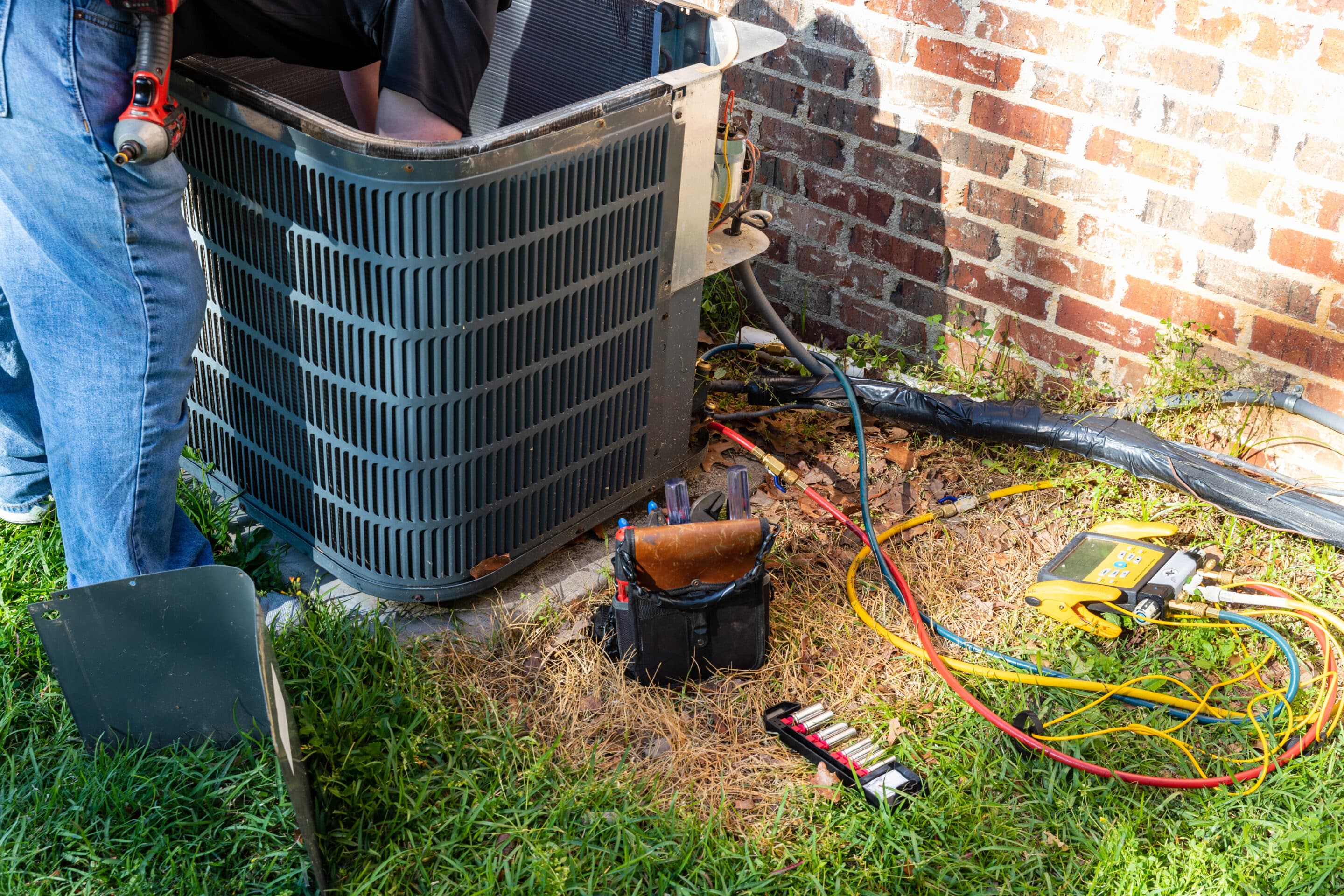
For homes near the bay or coast, a monthly condenser rinse is the second most valuable homeowner task. A garden hose sprayed across the outdoor unit’s coils removes the salt deposits, pollen, and debris that accumulate between professional visits. Spray from the inside out to push debris off the fins rather than driving it deeper. This simple step prevents the corrosion that shortens equipment life in coastal Baldwin County.
Keep the area around the outdoor unit clear — at least two feet of space on all sides. Trim any vegetation that’s encroaching on the condenser. Check that the condensate drain line isn’t clogged by pouring a cup of diluted bleach or vinegar down the drain access point monthly during the cooling season. A clogged drain is the single most common service call we handle, and it’s entirely preventable with 30 seconds of attention each month.
The Professional Maintenance Schedule
Twice-yearly professional maintenance is the standard for Baldwin County — once in the spring before cooling season and once in the fall before heating season. These aren’t optional tune-ups that exist to sell you a service plan. They’re the maintenance events that directly extend equipment life, prevent breakdowns, and keep your system running at the efficiency it was designed for.
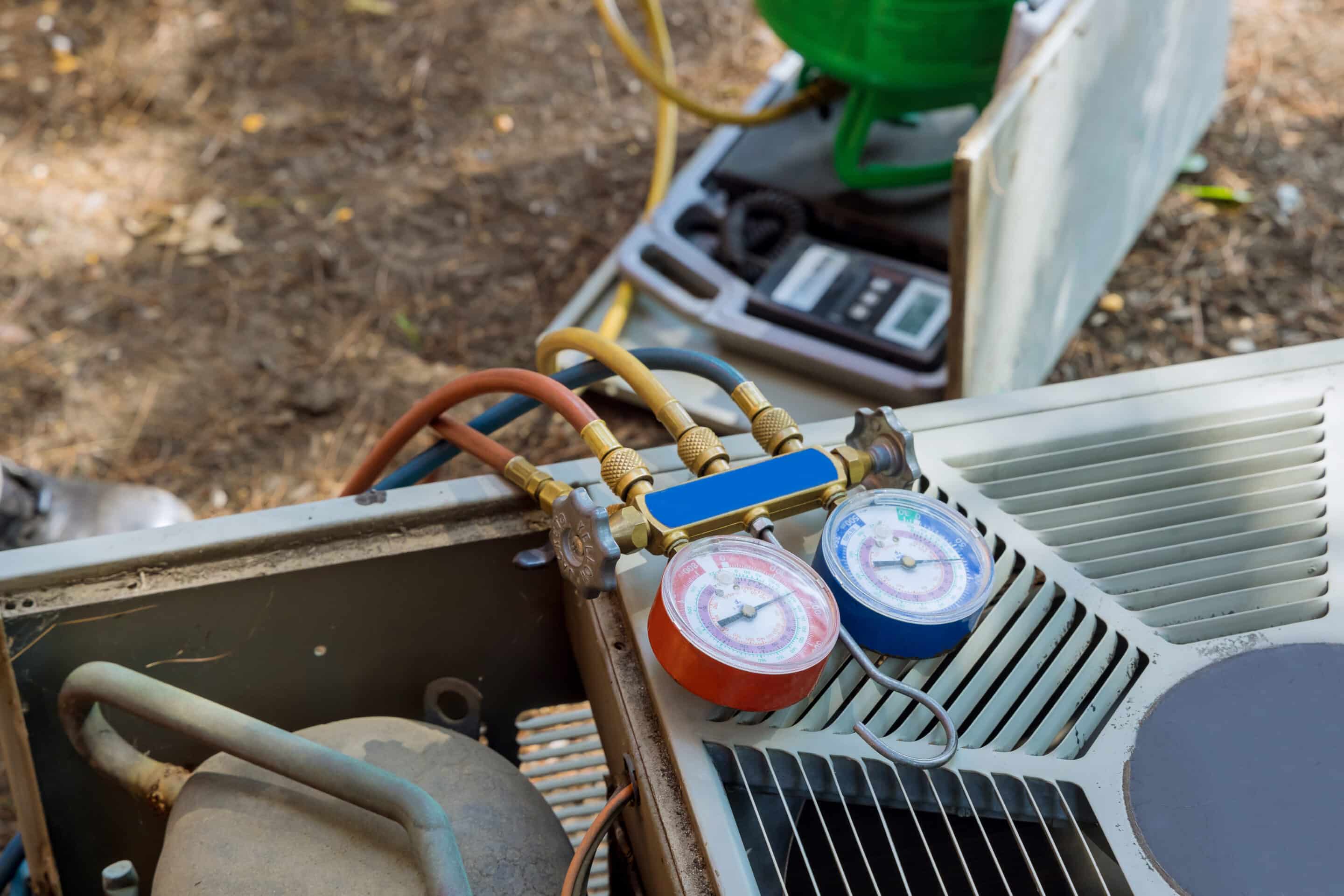
A spring cooling tune-up includes cleaning the evaporator and condenser coils (the most important task for coastal homes), checking and topping refrigerant levels, testing and tightening all electrical connections, inspecting capacitors and contactors for wear or corrosion, calibrating the thermostat, checking the blower motor and wheel, flushing the condensate drain line, replacing the air filter, and running the full system to verify temperature split and proper cycling. For heat pump systems, the technician also checks the reversing valve and defrost cycle.
A fall heating tune-up covers the heating-specific components: testing the heat pump’s heating mode performance, checking backup heat strip activation, testing gas furnace ignition and flame sensor (for homes with gas), inspecting the heat exchanger for cracks (carbon monoxide risk on gas furnaces), and verifying all safety controls. Our fall checklist post covers what to expect in more detail.
Why Baldwin County Needs More Than the National Average
Most HVAC manufacturers recommend annual maintenance. In Baldwin County, twice-yearly is the minimum for the same reason our systems don’t last as long as the national average: the climate is harder on equipment.
The cooling season runs April through October — seven months of heavy runtime that puts more hours on every component than a system in Virginia or North Carolina sees in a full year. That extended runtime means filters clog faster, coils get dirtier, refrigerant loss from minor leaks accumulates further between checks, and electrical components endure more heat cycles. One tune-up per year leaves too long a gap.
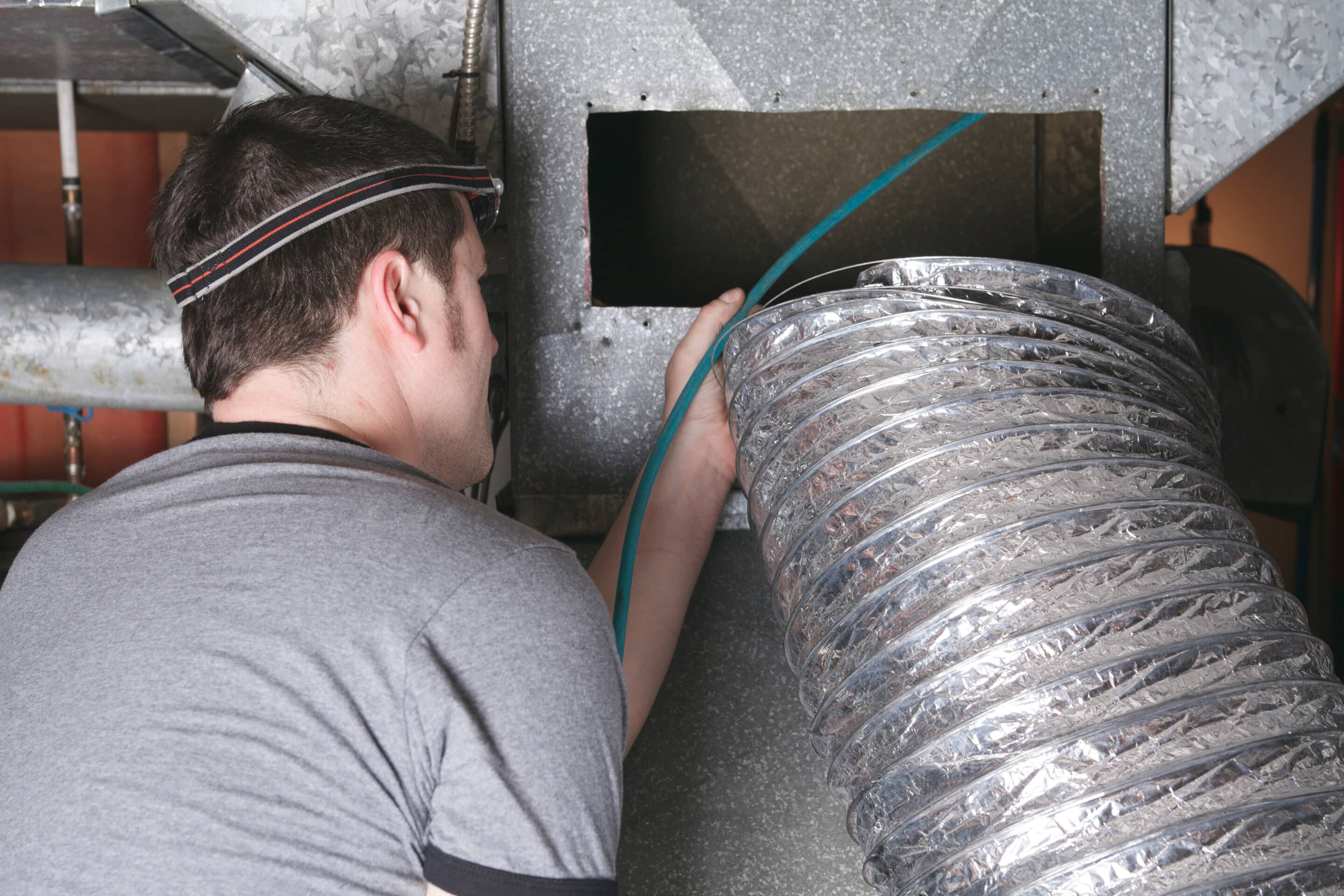
Salt air corrosion — the factor that makes Baldwin County uniquely challenging — develops continuously on outdoor equipment near the bay or Gulf. A condenser coil that was clean in April may have significant salt buildup by August, reducing efficiency and accelerating the corrosion that leads to refrigerant leaks. For coastal properties in Gulf Shores, Orange Beach, or bayfront Fairhope, professional coil cleaning is arguably the single most important maintenance task for extending equipment life. Humidity drives biological growth inside the system at rates that drier climates don’t experience. Mold, mildew, and biofilm colonize the evaporator coil, drain pan, and drain line year-round in Baldwin County. Left unchecked, this growth causes musty smells, reduced dehumidification, mold problems in the home, and accelerated deterioration of the drain system. Professional maintenance includes the coil cleaning and drain treatment that keeps biological growth in check.
What Maintenance Actually Prevents
The connection between skipped maintenance and expensive repair calls is direct and well-documented. A dirty condenser coil forces the compressor to work harder, run hotter, and draw more electricity — leading to premature compressor failure, which is the single most expensive residential HVAC repair at $1,800-$3,500. A corroded contactor that a $150-$300 tune-up would have caught fails on a Saturday night and takes out the compressor it was connected to — turning a cheap fix into a $2,000+ emergency. A slow refrigerant leak that a professional check would have detected runs the compressor low on charge for months, eventually burning it out.
These aren’t hypothetical scenarios. They’re what we see on repair calls every week across Baldwin County. The Department of Energy estimates that the majority of common system failures are preventable with consistent professional maintenance. Our repair cost guide shows what those failures cost when they happen — and the comparison to a $150-$300 twice-yearly maintenance investment makes the case clearly.
The Cool Club: Making Maintenance Automatic
The Cool Club maintenance membership exists because the hardest part of maintenance isn’t the cost — it’s remembering to schedule it. Cool Club members get both the spring and fall maintenance visits scheduled automatically, 15% off all repairs (including emergency calls), 5% off a new system when replacement time comes, and priority scheduling that moves them ahead of non-members during peak demand.
For the cost of roughly one emergency repair call, the Cool Club covers an entire year of professional maintenance plus the repair discount. It’s the simplest way to protect your equipment and avoid the preventable breakdowns that hit hardest during the months you need your system most.
Maintenance by Season: The Quick Reference
Spring (March-April): Schedule professional cooling tune-up. Replace filter. Rinse condenser. Clear condensate drain. Test system in cooling mode. This is the visit that prepares the system for the seven months of heavy use ahead.
Summer (monthly): Check and replace filter. Rinse condenser monthly (every two weeks for coastal properties during heavy salt air periods). Monitor energy bills for unusual spikes. Listen for new sounds. Note any rooms that aren’t cooling evenly.
Fall (September-October): Schedule professional heating tune-up. Replace filter. Clear any debris from around outdoor unit after summer storms. Test heating mode before the first cold front arrives.
Winter (monthly): Check filter monthly even though the system runs less. Keep condenser area clear. Monitor for any moisture issues or musty smells that indicate the system isn’t dehumidifying properly. Call (251) 300-9817 to schedule your next maintenance visit, or join the Cool Club and never think about scheduling again. For more info check out our Baldwin County HVAC FAQ