The national average for HVAC system lifespan is 15-20 years. In Baldwin County, that number needs a significant adjustment based on two factors: where your property sits relative to the coast, and how consistently the system has been maintained. We service equipment across the full geography of Baldwin County — from Gulf-front condos in Orange Beach to inland homes in Bay Minette — and the lifespan patterns are clear.
Lifespan by Location
Gulf-front properties in Gulf Shores and Orange Beach see the shortest equipment life. Systems exposed to Gulf salt air typically last 8-10 years with consistent maintenance and 5-7 years without it.
Bayfront communities — Daphne, Fairhope, Spanish Fort — see moderate exposure. Equipment typically lasts 10-14 years with regular maintenance.
Inland communities — Robertsdale, Bay Minette, Loxley, Silverhill — see minimal salt air effects. Systems last 12-16 years with maintenance, closer to the national average.
What Actually Determines Lifespan
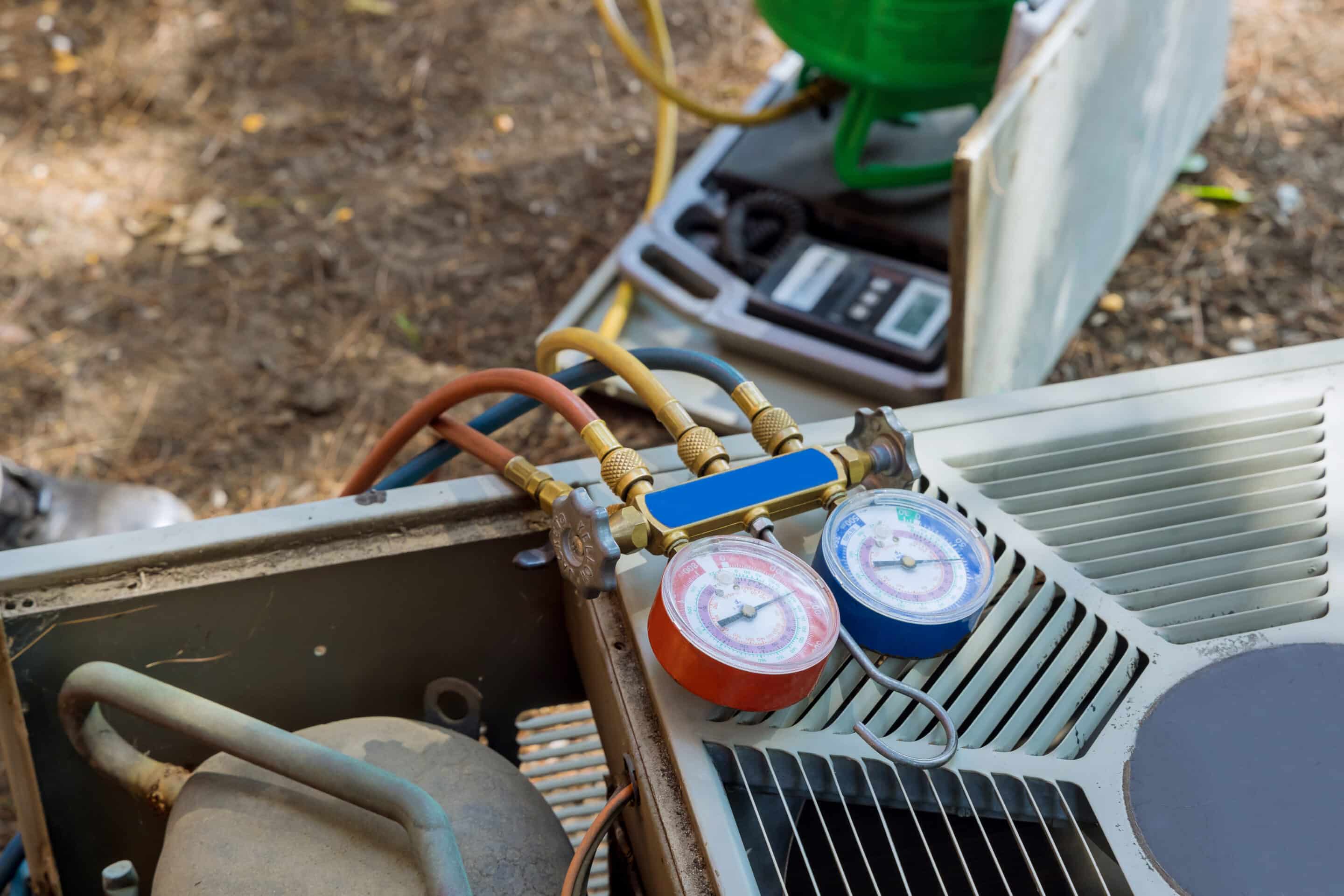
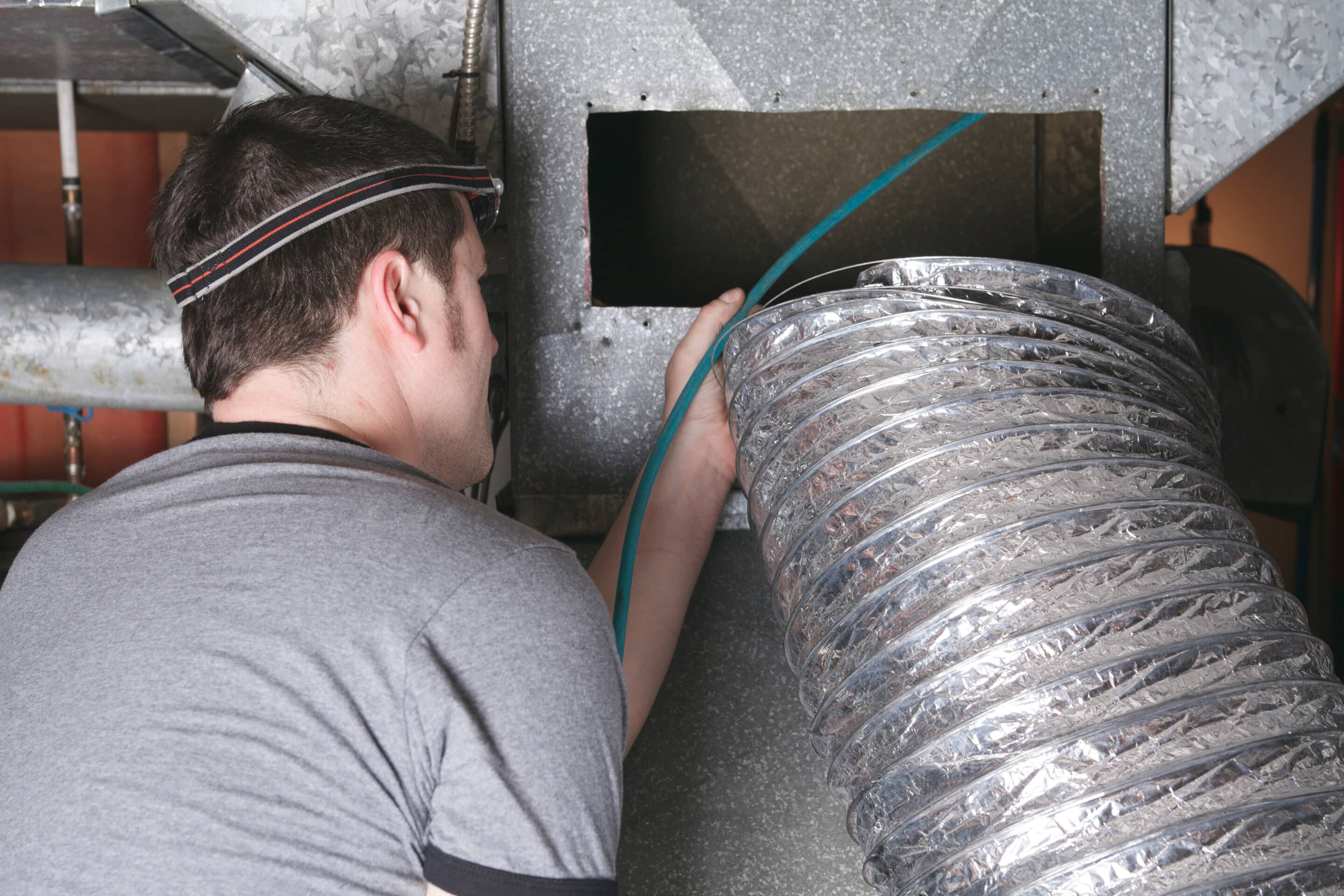
Maintenance is the single biggest controllable factor. Regular professional maintenance includes coil cleaning that removes salt deposits, electrical inspections that catch corroding connections, refrigerant checks that detect slow leaks, and drain clearing that prevents moisture damage. Two tune-ups per year is the standard for all of Baldwin County.
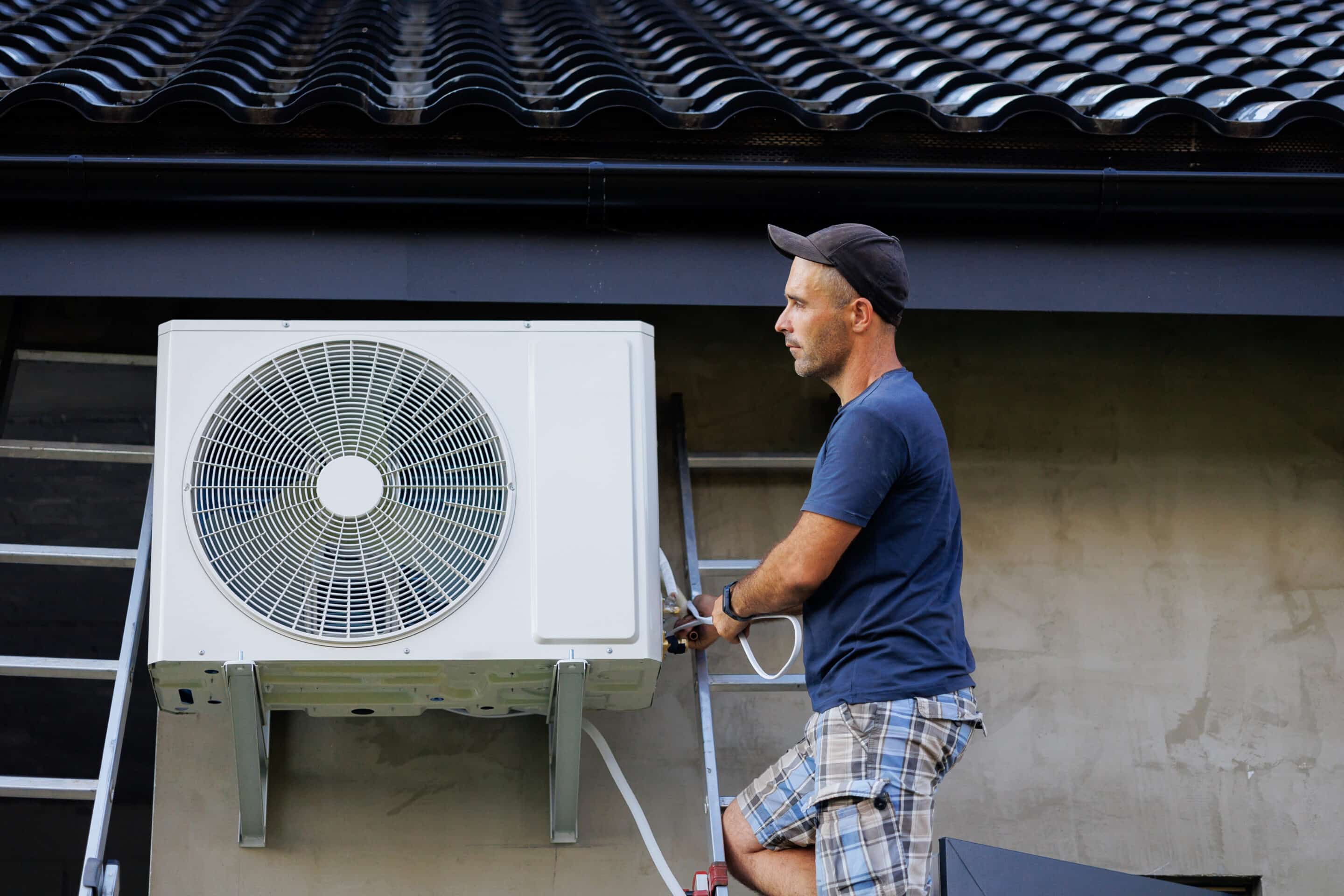
Installation quality matters more than most homeowners realize. A system properly sized through Manual J, installed with attention to electrical connections and refrigerant charge, starts life right. A system installed with shortcuts starts at a disadvantage no maintenance fully overcomes.
Brand matters less than people think. A well-maintained Goodman outlasts a neglected Trane. Our brand guide covers what actually differentiates the major manufacturers.
Signs Your System Is Nearing the End
Age alone doesn’t tell the whole story. A 12-year-old system with perfect maintenance history might have years of reliable service left. A 9-year-old system on the coast that’s been neglected could be on its last summer. Watch for these patterns instead of counting birthdays.
Rising repair frequency is the clearest signal. One repair a year is normal maintenance territory. Two or three repairs in a single cooling season means the system is failing across multiple components — and each fix is buying less time than the last one.
Increasing energy bills with no change in usage points to declining efficiency. As components wear, the system draws more electricity to produce the same cooling. If your bills have crept up year over year and your usage hasn’t changed, the system is working harder than it should.
Uneven temperatures across the house — rooms that never reach setpoint, hot spots that weren’t there two years ago — indicate either ductwork problems or a system that’s lost capacity. If the ductwork checks out, the equipment is the issue.
The system running constantly without cycling off during moderate weather means it can’t keep up with the load. A properly sized system in good condition cycles on and off throughout the day. One that runs without stopping is either undersized (unlikely if it worked fine for years) or degraded to the point where it can’t maintain temperature.
Unusual sounds that progressively worsen — grinding, rattling, or buzzing that gets louder over weeks — usually signal mechanical failure that a single repair won’t permanently resolve. Our HVAC noises guide covers what each sound typically means.
When Lifespan Becomes a Financial Decision
If a single repair costs a significant fraction of what a new system would and
the equipment is past the midpoint of its expected lifespan, replacement is usually smarter. Our repair vs. replacement guide walks through the full decision framework.
Extending the Life You Have
Consistent maintenance is never too late to start. For coastal properties, protective coil coatings create a barrier between salt air and metal. Monthly condenser rinsing keeps deposits from accumulating. And addressing ductwork issues reduces strain on the system.
When replacement time arrives, financing options can make the transition easier to manage. Call (251) 300-9817 for an honest assessment of where your system stands.